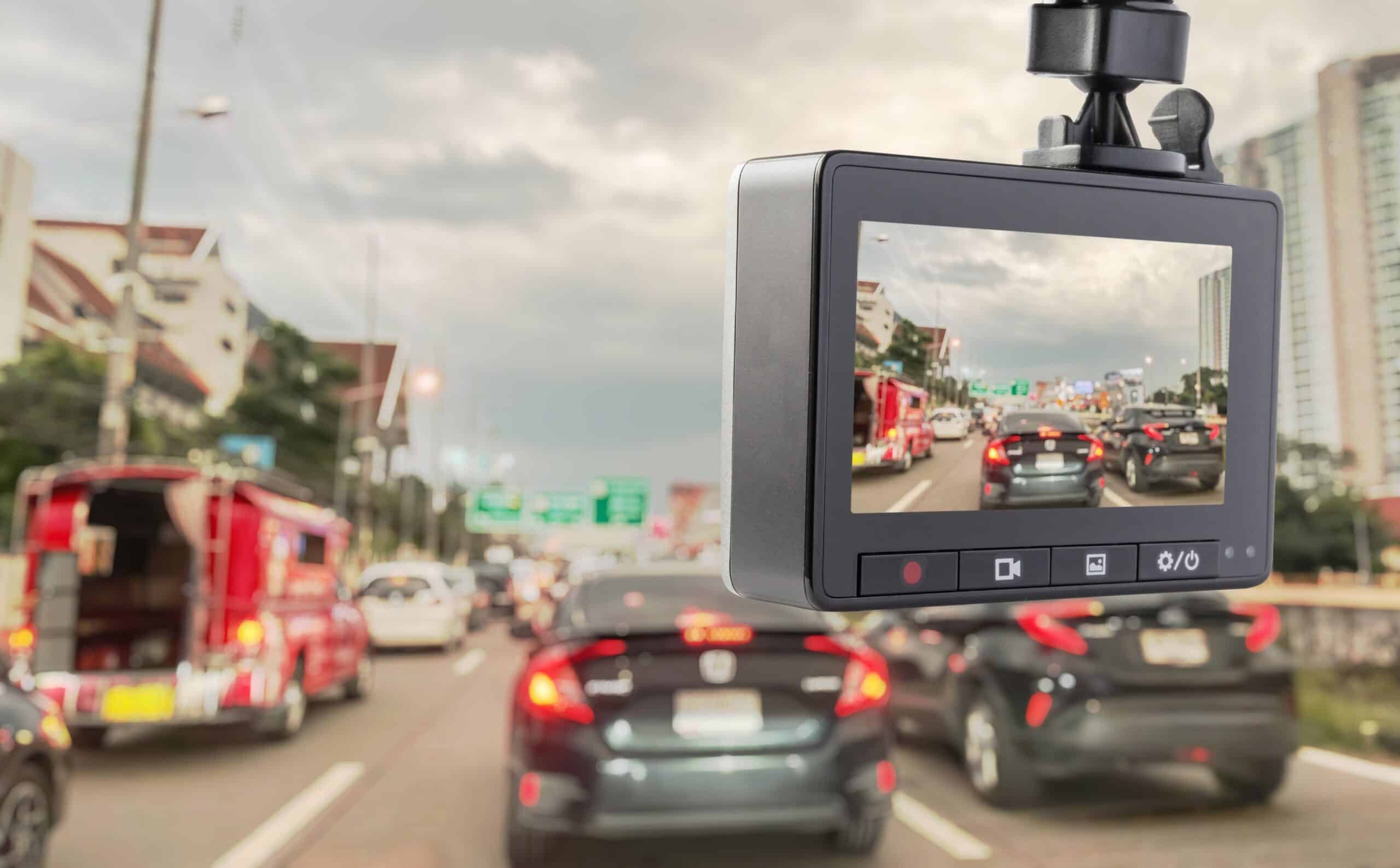
How Dashcam Footage Can Strengthen Your Car Accident Claim in CT
At Jacobs & Dow, LLC, we understand that a car accident can happen in the blink of an eye. One moment, you’re driving home from work in New Haven or heading to the grocery store in Hartford, and the next, you are dealing with the shock of a collision. In the aftermath, confusion often reigns. Memories blur, adrenaline spikes, and the details of exactly who did what can become hazy.
Increasingly, Connecticut drivers are turning to technology to clear up this confusion. Dashcams — small video cameras mounted on the dashboard or windshield — are becoming as common as GPS devices. While they are excellent for capturing scenic drives through Litchfield Hills, their true value shines when things go wrong on the road.
As a trusted law firm in Connecticut, we have seen firsthand how video evidence can turn the tide of a legal case. This article explores how dashcam footage can be the decisive factor in your car accident claim, helping you secure the justice and compensation you deserve.
Understanding the Value of Dashcam Footage
A dashcam acts as a silent, unbiased witness that never blinks. In the chaotic moments following a crash, the involved parties often have conflicting narratives. The other driver might claim you swerved into their lane, while you know for a fact you stayed in yours. Without independent witnesses, these “he-said, she-said” scenarios can be difficult to resolve.
Dashcam footage cuts through the noise. It provides an objective record of events leading up to, during, and after the accident. Unlike human memory, which can be influenced by stress or trauma, video evidence offers a concrete timeline. It captures nuances that are easily missed, such as the color of a traffic light, the speed of the vehicles, or sudden movements that indicate distracted driving.
Benefits of Using Dashcam Footage in Car Accident Claims
When pursuing a car accident claim in Connecticut, the burden of proof generally lies with the plaintiff (the person filing the claim). You must prove that the other driver was negligent. Here is how dashcam footage supports that effort:
1. Establishing Liability
The most direct benefit of video evidence is its ability to establish fault. In Connecticut, proving negligence is key to recovering damages. Dashcam footage can provide irrefutable proof of traffic violations that caused the crash.
For example, if a driver runs a red light at an intersection in Stamford and hits you, they might later claim the light was yellow. A clear video showing the light turning red before they entered the intersection effectively destroys their defense. Similarly, footage can catch drivers making illegal U-turns, failing to yield, or drifting out of their lanes due to distraction.
2. Disputing Fault
Accidents often happen so fast that victims aren’t entirely sure how they occurred. Worse, the at-fault driver might attempt to shift the blame onto you to avoid higher insurance premiums or legal trouble.
In Connecticut, which follows a “modified comparative negligence” rule, you can only recover damages if you are less than 51% at fault. If the other side successfully argues that you were mostly to blame, you could walk away with nothing.
Dashcam footage serves as a shield against false accusations. If a driver claims you abruptly slammed on your brakes, but your rear-facing camera shows they were tailgating you while texting, the video protects your rights and your potential settlement.
3. Documenting Road Conditions
Sometimes, an accident isn’t solely due to driver error but is compounded by environmental factors. Dashcams record more than just the cars; they capture the context of the crash.
Footage might reveal:
- Poor Weather: Heavy rain, snow, or blinding sun glare that affected visibility.
- Road Hazards: Potholes, uncleared ice, or construction debris that contributed to the loss of control.
- Signage Issues: Obscured stop signs or malfunctioning traffic signals.
This evidence can be crucial if a municipality or a third party shares responsibility for the unsafe conditions that led to your accident.
4. Supporting Injury Claims
Insurance adjusters frequently try to downplay the severity of an impact to minimize payouts. They might argue that a “fender bender” couldn’t possibly cause significant neck or back injuries.
Video footage helps validate the force of the collision. Seeing the violent jolt of the vehicle upon impact provides a visceral understanding of the mechanics of the crash. This visual evidence makes it much harder for insurers to dismiss your injuries as exaggerated, helping your attorney fight for fair compensation for medical bills and pain and suffering.
Admissibility of Dashcam Footage in Connecticut Courts
While having the footage is a great start, it must be admissible in court to be useful. Connecticut courts generally allow dashcam video as evidence, provided it meets specific legal standards.
- Authentication is key. You must be able to prove that the video is a true and accurate representation of what occurred. This usually involves testimony from the person who recorded it (you) stating that the footage has not been altered or edited.
- Chain of Custody allows the court to track who had possession of the footage from the moment it was recorded until it was presented in court. This ensures the file hasn’t been tampered with.
- Privacy Concerns are also a factor. While recording on public roads is generally legal, recording audio inside a vehicle where passengers expect privacy can be complicated under Connecticut’s wiretapping laws. It is often safer to record video without audio, or to inform passengers that recording is in progress. An experienced attorney can help navigate these specific legal nuances to ensure your evidence isn’t thrown out on a technicality.
Consult with Jacobs & Dow, LLC
Before you upload the footage to YouTube or send it to an insurance adjuster, speak with a lawyer. While the footage may seem clear to you, insurance companies are professionals at finding ways to interpret evidence in their favor.
At Jacobs & Dow, LLC, we can review the footage to ensure it supports your claim. We know how to present video evidence effectively during negotiations or trials to maximize its impact. We also handle the technical aspects of preserving the evidence and establishing its authenticity for the court.
If you or a loved one has been injured in a car accident in Connecticut, do not leave your future to chance. Let us help you use every piece of evidence available, including dashcam footage, to build a winning case.
Contact Jacobs & Dow, LLC today for a free consultation. Let us review your case and your footage, so we can fight for the justice you deserve.