The 6 Most Dangerous Intersections in Connecticut
Navigating the roads of Connecticut requires vigilance, skill, and an awareness of your surroundings. Whether you are commuting to work in Hartford, taking a scenic drive down the Merritt Parkway, or running errands in New Haven, the risk of a collision is a reality many drivers face daily. At Jacobs & Dow, LLC, we have seen firsthand the devastating impact that car accidents have on individuals and families across our state.
Intersections are naturally prone to conflict. They are the points where paths cross, traffic signals dictate movement, and human error often leads to unfortunate outcomes. While accidents can happen anywhere, data reveal that certain intersections and highway stretches in Connecticut are significantly more hazardous than others. Understanding where these hotspots are can help you stay alert and potentially avoid a dangerous situation.
The car accident attorneys at Jacobs & Dow, LLC will explore the most high-risk areas in the state, analyze why they are so prone to crashes, and offer safety tips to help you arrive at your destination safely.
High-Risk Intersections and Corridors in Connecticut
Recent crash data highlights several locations where accidents occur with alarming frequency. These areas are often characterized by high traffic volume, complex merging patterns, or confusing layouts. Here are some of the most critical danger zones every Connecticut driver should know.
1. Merritt Parkway (Route 15): New Haven Hotspot
The Merritt Parkway is known for its scenic beauty, but it is also the site of numerous CT highway accidents. Specifically, the stretch between Mile Markers 46.42 and 47.03 in New Haven has been identified as a significant trouble spot. This area sees a high volume of crashes, many resulting in injuries.
The parkway’s historic design — featuring narrow lanes, short on-ramps, and a lack of shoulders — makes it difficult for modern traffic volumes to merge safely, leading to frequent sideswipes and rear-end collisions.
2. Route 17 in Middletown
Another area of concern is Route 17 in Middletown, specifically between Mile Markers 21.55 and 22.14. This corridor is known for a high concentration of injury-causing collisions. As a major artery connecting communities, the mix of commuter traffic and local business access points creates a volatile environment where speed and congestion often clash.
3. Route 44 and Main Street: Hartford
Urban intersections face unique challenges, and the junction of Route 44 and Main Street in Hartford is a prime example. As a busy city center intersection, it handles pedestrians, buses, and heavy vehicle traffic simultaneously. This complexity makes it a frequent site for accidents, ranging from fender benders to more severe collisions involving pedestrians or cyclists.
4. I-95: The Fairfield County Bottleneck
It is impossible to discuss CT highway accidents without mentioning Interstate 95. The stretch from Greenwich to New Haven is notoriously dangerous. Often cited as the deadliest stretch of highway in the state, the severe congestion in Fairfield County is a major contributing factor. Stop-and-go traffic frequently leads to rear-end collisions, while aggressive lane changes during rush hour increase the risk of multi-vehicle pileups.
5. Greenwich: U.S. Route 1 and Greenwich Avenue
Greenwich is a bustling commercial hub, and the intersection of U.S. Route 1 (East/West Putnam Ave) and Greenwich Avenue reflects that activity. High crash rates here are often attributed to the sheer density of vehicles navigating through a busy town center. Drivers looking for parking, delivery trucks, and through-traffic all compete for space, increasing the likelihood of mishaps.
6. East Haven: A Trio of Trouble Spots
East Haven contains several intersections that local drivers know to approach with caution.
- Main Street & Hemingway Avenue: A classic busy intersection where turning vehicles often misjudge gaps in oncoming traffic.
- Route 1 & Frontage Road: The proximity to highway ramps and commercial businesses creates a chaotic flow of traffic.
- North High Street & Foxon Road (Route 80): This intersection sees heavy volume and high speeds, a dangerous combination that often results in CT intersection accidents.
Why Do Accidents Happen Here?
Identifying the location is only half the battle; understanding the why is equally important. Several common factors contribute to the high accident rates at these specific locations.
High Traffic Volume
The most obvious factor is congestion. Roads like I-95 and the Merritt Parkway operate well above their original capacity. When thousands of cars occupy the same space, the margin for error disappears. Frustration often sets in during gridlock, leading to aggressive maneuvers.
Poor Visibility and Sightlines
At intersections like those in East Haven or on the winding sections of Route 17, visibility can be compromised. Blind curves, hills, or poorly placed signage can obscure oncoming traffic, making it difficult for drivers to make safe turning decisions.
Complex Intersection Design
Historic roads were not built for modern cars or traffic levels. The Merritt Parkway’s short acceleration lanes force drivers to merge from a dead stop into 55 mph traffic. Similarly, complex multi-lane intersections with confusing lane markings can cause drivers to drift into adjacent lanes or make illegal turns.
Driver Negligence
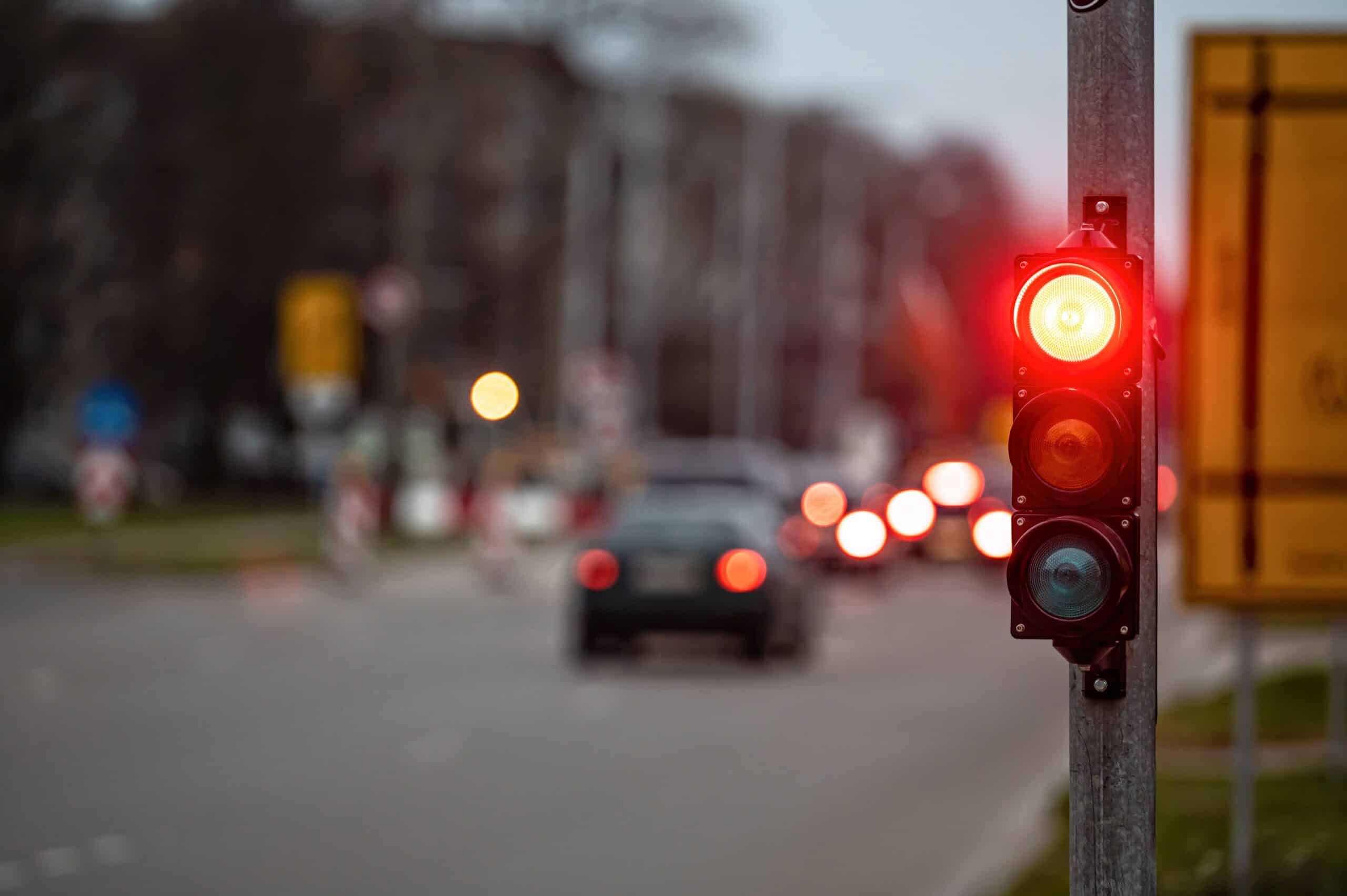
Ultimately, human error remains the leading cause of crashes. Distracted driving, speeding, and driving under the influence turn otherwise manageable intersections into hazard zones. When a driver looks down at a phone while approaching a red light on Route 44 in Hartford, the consequences can be immediate and severe.
Safety Tips for Navigating Dangerous Intersections
While you cannot control road design or other drivers, you can control your own behavior. Adopting defensive driving habits is your best protection against CT intersection accidents.
- Scan the Road Ahead: Don’t just look at the car immediately in front of you. Scan the intersection before you enter it, even if you have the green light. Red-light runners are a common cause of severe T-bone crashes.
- Reduce Your Speed: Approaching an intersection or a highway merge at a controlled speed gives you more time to react. If visibility is poor, slow down until you have a clear view.
- Avoid Distractions: It takes only a split second for a traffic light to change or a car to brake unexpectedly. Keep your phone out of reach and your eyes on the road.
- Leave a Buffer Zone: On congested highways like I-95, increase your following distance. This gives you room to brake gently if traffic comes to a sudden halt, reducing the risk of being rear-ended yourself.
- Be Predictable: Use your turn signals well in advance and avoid erratic lane changes. Helping other drivers understand your intentions makes the road safer for everyone.
How Jacobs & Dow, LLC Advocates for Accident Victims
Despite your best efforts, you may still find yourself involved in a collision. The physical pain, emotional trauma, and financial burden of a car accident can be overwhelming. This is where Jacobs & Dow, LLC steps in.
Our experienced legal team understands the complexities of Connecticut traffic laws and insurance regulations. If you are injured in an accident caused by another driver’s negligence — whether at a notorious intersection or a quiet back road — we are here to fight for your rights.
We assist accident victims by:
- Handling Insurance Negotiations: Insurance companies often try to minimize payouts. We handle all communication to ensure you are not pressured into a lowball settlement.
- Investigating the Crash: We gather evidence, including police reports, camera footage, and witness statements, to build a strong case proving liability.
- Navigating the Legal Process: From filing claims to representing you in court if necessary, we guide you through every step of the legal journey so you can focus on healing.
Stay Safe on Connecticut Roads
Intersection safety is a shared responsibility. By staying informed about high-risk locations like the Merritt Parkway, Route 17, and I-95, you can drive with greater caution and awareness. Remember that CT highway accidents are often preventable with patience and defensive driving.
However, if the unexpected happens, you do not have to face the aftermath alone. Jacobs & Dow, LLC is dedicated to protecting the rights of the injured and ensuring that justice is served.
If you or a loved one has been injured in a car accident in Connecticut, contact Jacobs & Dow, LLC today. Call us for a consultation and let our experienced team help you secure the compensation you deserve.